Château Pavie is a wine estate in Saint-Émilion, on the Right Bank of Bordeaux in France. Ferdinand Bouffard inherited the domain in 1873 and went on to assemble its present vineyard from neighbouring properties. It holds the rank of 1er Grand Cru Classé A.
The vines grow on three terroirs. Merlot, half the vineyard, sits on the limestone plateau, where clay-limestone soils hold winter rain through the summer. Cabernet Franc, 30 percent of the plantings, grows on the south-facing slope in clay over crumbly limestone. Cabernet Sauvignon, 20 percent, takes the sandy, gravelly foot of the slope.
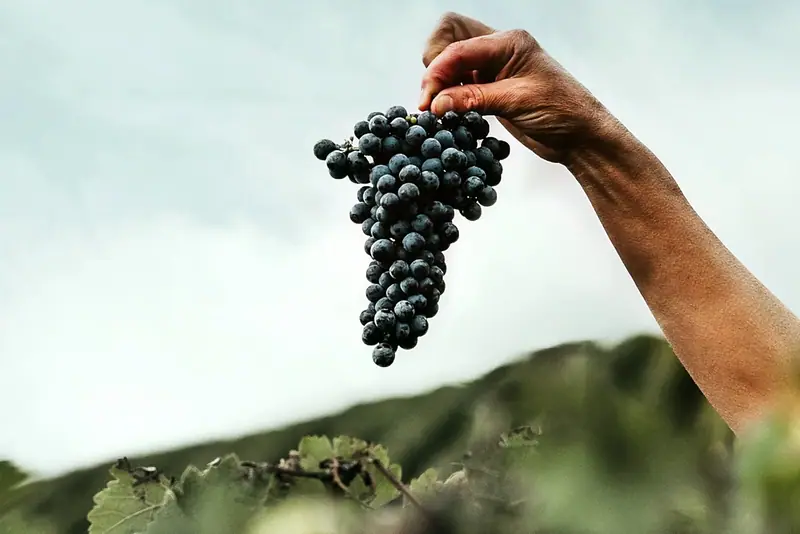
Soil analysis divided the vineyard into 21 technical parcels, each tied to one grape and planting year, and plough horses work the soil. Harvest is by hand into crates of no more than 10 kilograms, which reach the winery a few metres away, where a double sorting table and an optical sorter select the grapes before gravity feeds the vats.
Each parcel has its own temperature-controlled wooden vat, and fermentation stays cool with long maceration. Malolactic fermentation takes place in barrel, followed by 18 months of ageing, with racking about every 12 weeks, in barrels from five to seven local coopers using central French oak. It makes two wines, Château Pavie and Arômes de Pavie.
Bouffard made and sold his properties separately, among them Larcis-Bergey and Pimpinelle. Albert Porte merged most of them into Château Pavie in 1919, and Pavie-Pigasse became Pavie-Decesse. Gérard Perse bought the estate in 1998 and restructured it, and it reached class A in 2012.